DTG vs. DTF opinions. What do you prefer and why?
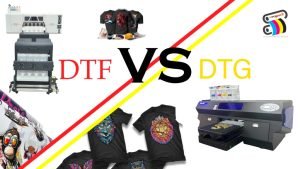
DTG vs. DTF: Which Printing Method Is Right For You? Table of Contents In the world of garment printing, two popular methods have emerged: Direct-to-Garment (DTG) and Direct-to-Film (DTF). Understanding the differences between them is crucial in determining which one suits your specific printing needs. DTG Printing DTG printing requires a specialized DTG printer. It is well-suited for cotton and cotton-polyester blends. One of the main advantages of DTG prints is their ability to produce high-quality, full-color designs with excellent color vibrancy. The process involves the printer directly applying ink onto the fabric, which allows for intricate and detailed prints. However, DTG printing has some limitations. It often struggles with printing on dark or colored garments without the use of a pretreatment solution. The white ink used in DTG printing can be a bit tricky to manage as it may clog the print heads if not properly maintained. Additionally, DTG printers can be relatively expensive, both in terms of the initial investment and the cost of consumables. DTF Printing On the other hand, DTF printing, which uses DTF printers and the direct-to-film process, offers a more cost-effective solution. DTF prints can be applied to a wide range of fabric types, including those that might be challenging for DTG, such as nylon and leather. The process involves printing the design onto a special film and then using a heat press to transfer it onto the garment. This makes it easier to achieve consistent results across different fabric textures. The color